BEARING WITNESS TO WAFFEN-SS TERROR
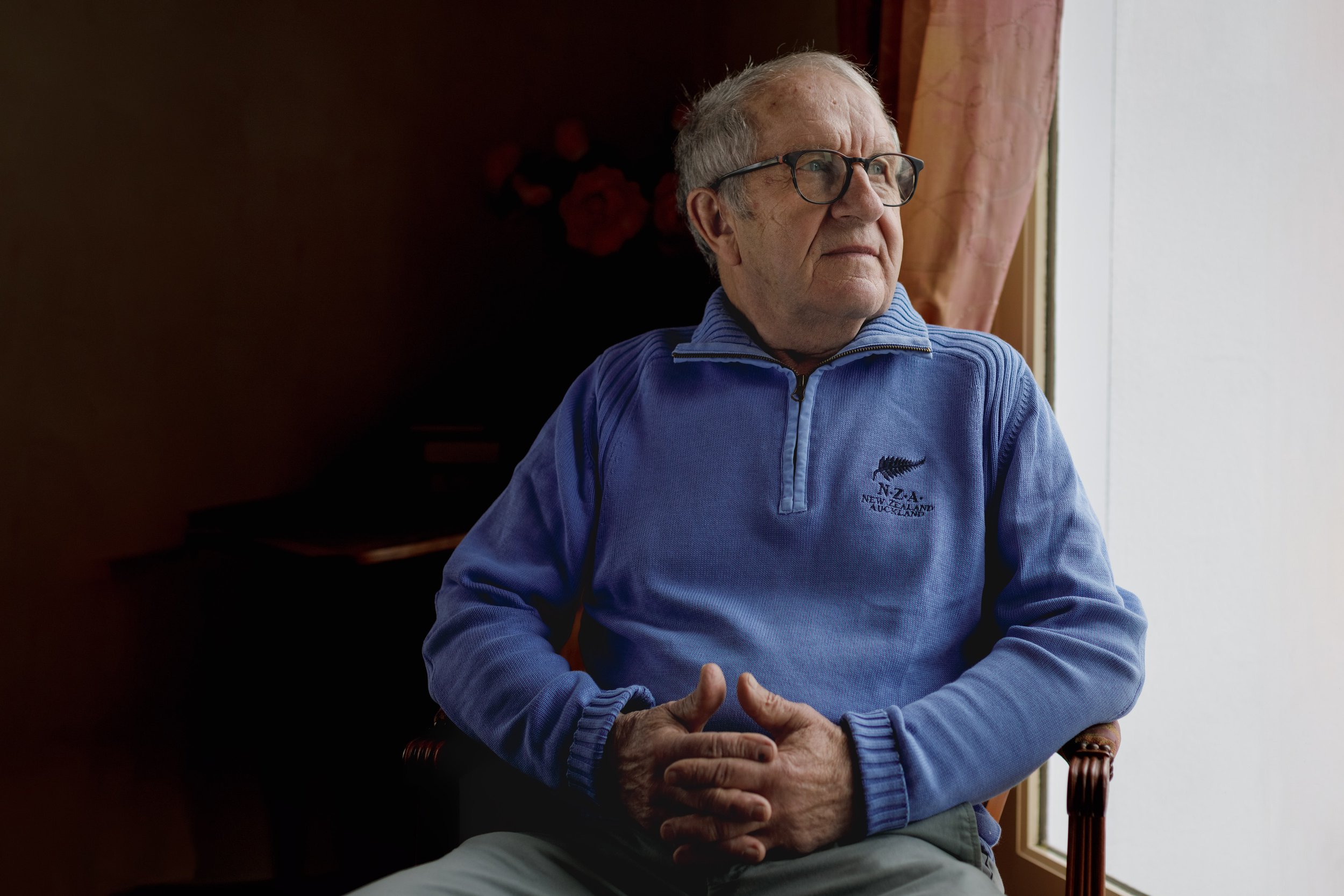

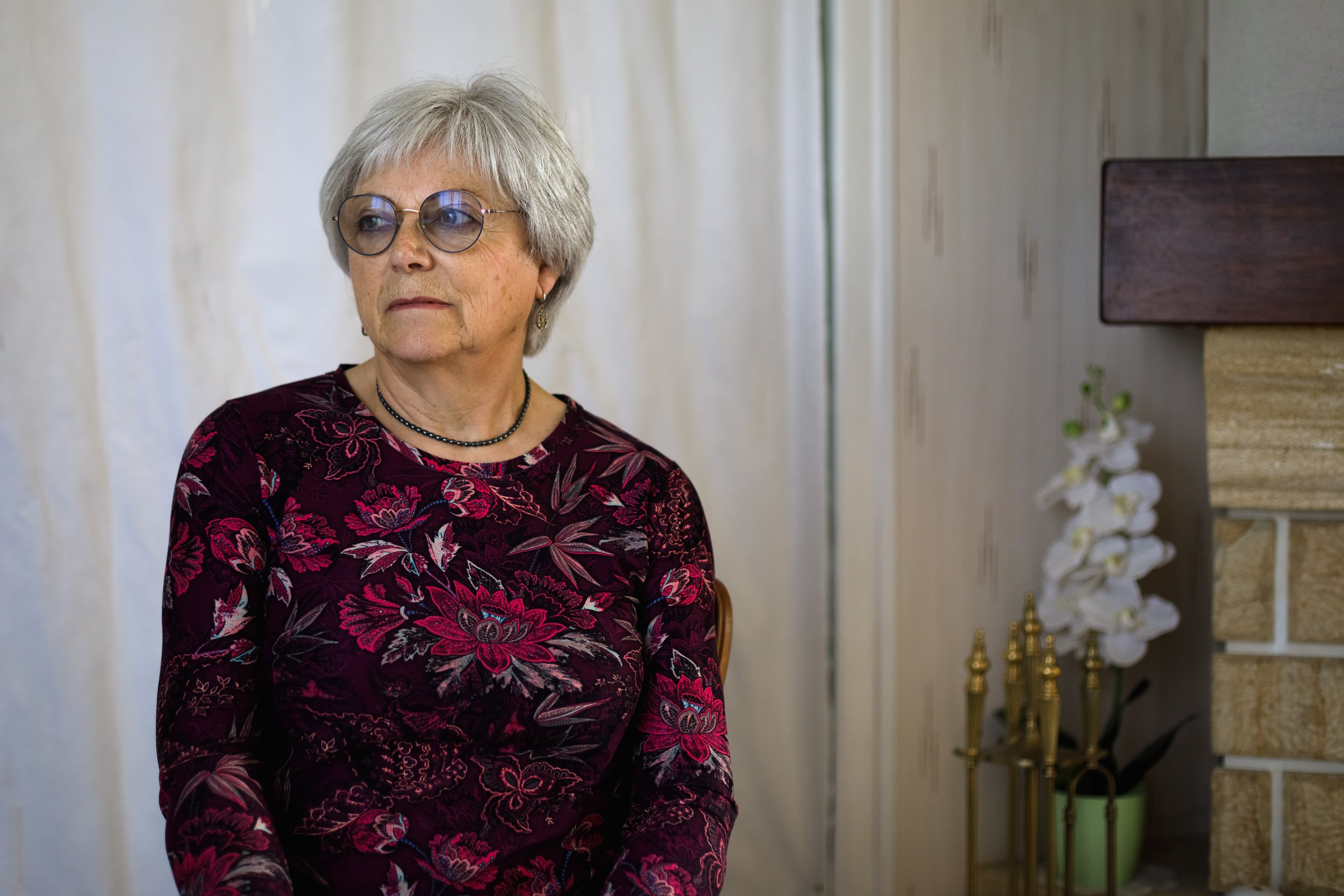
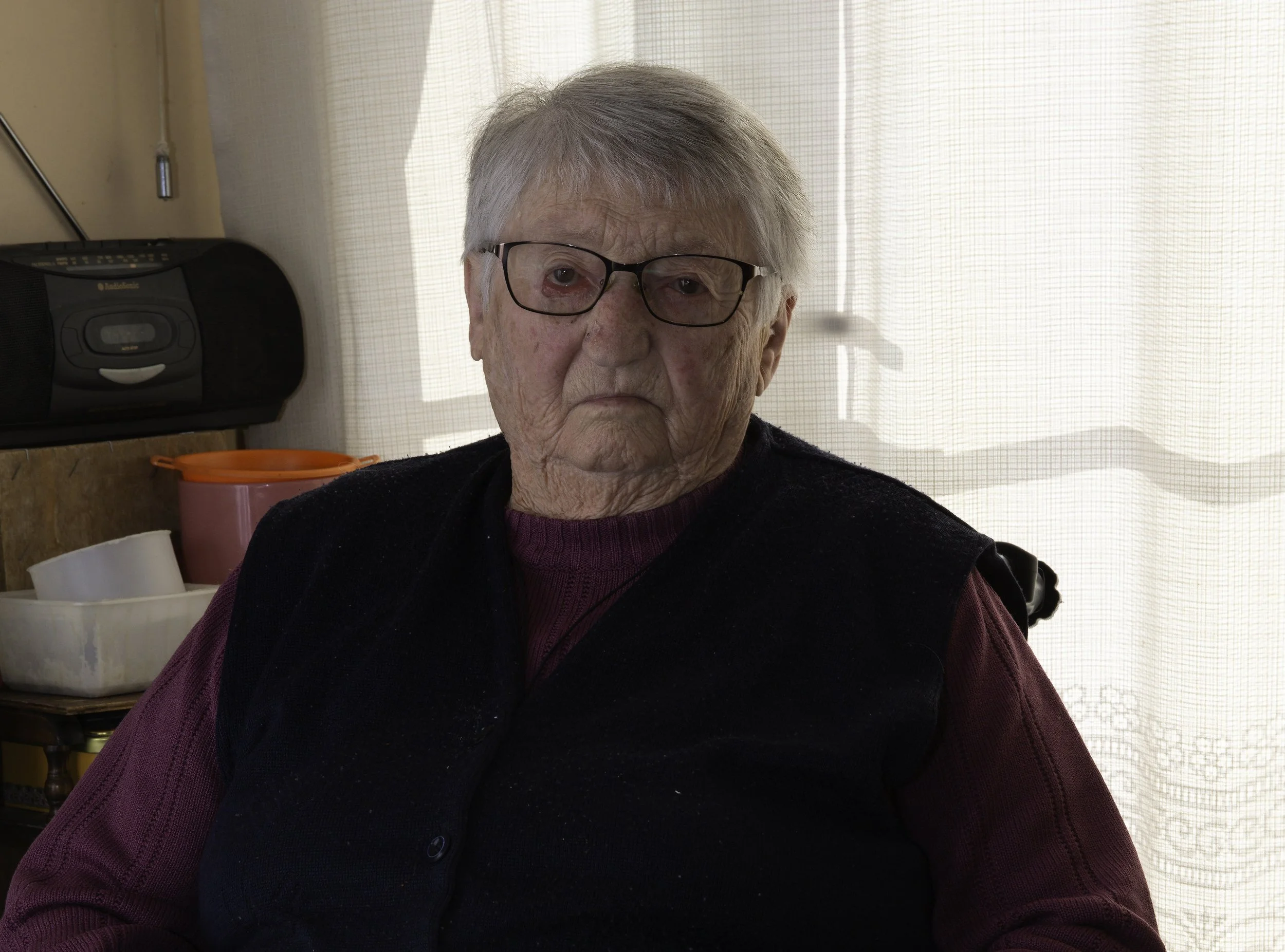
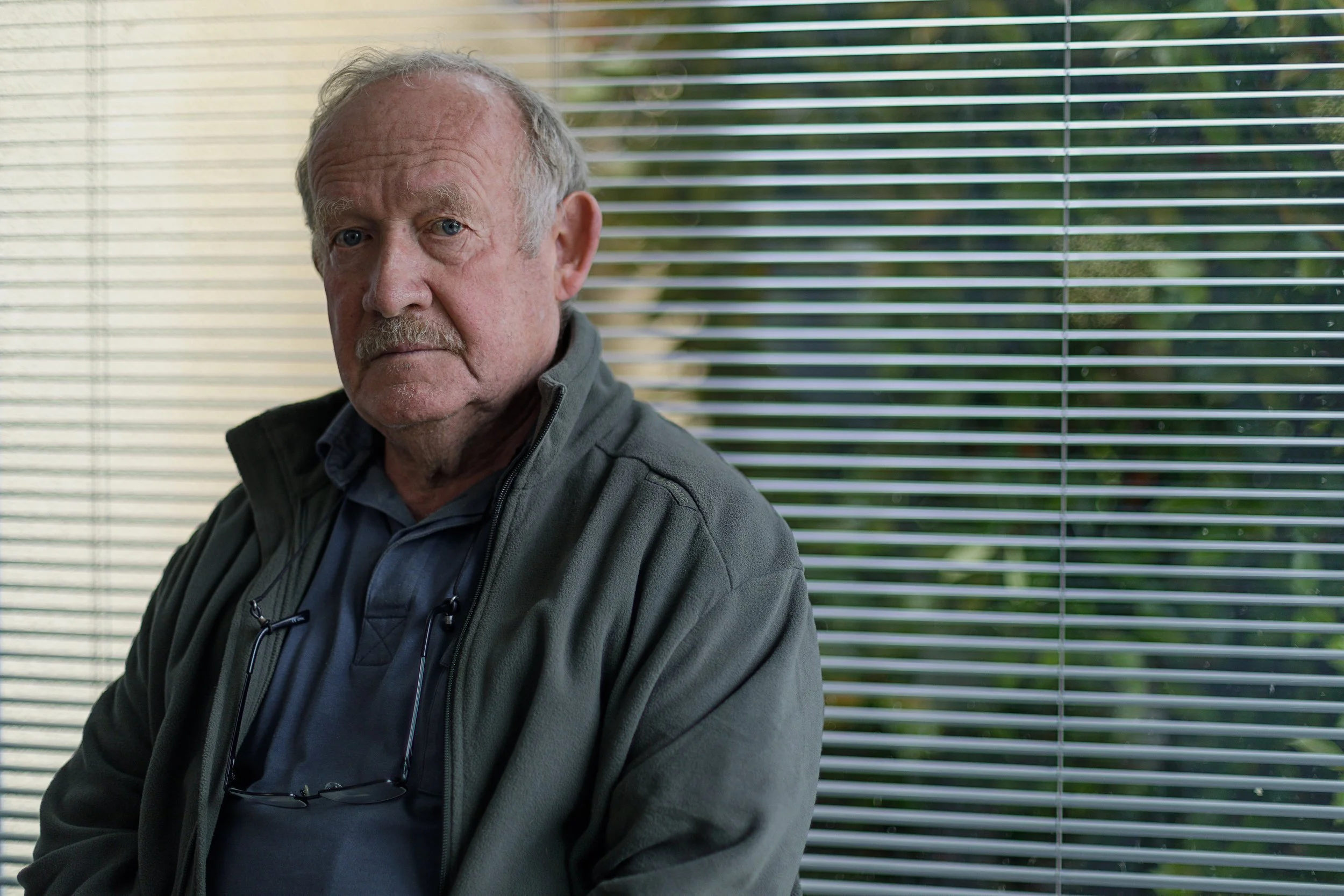
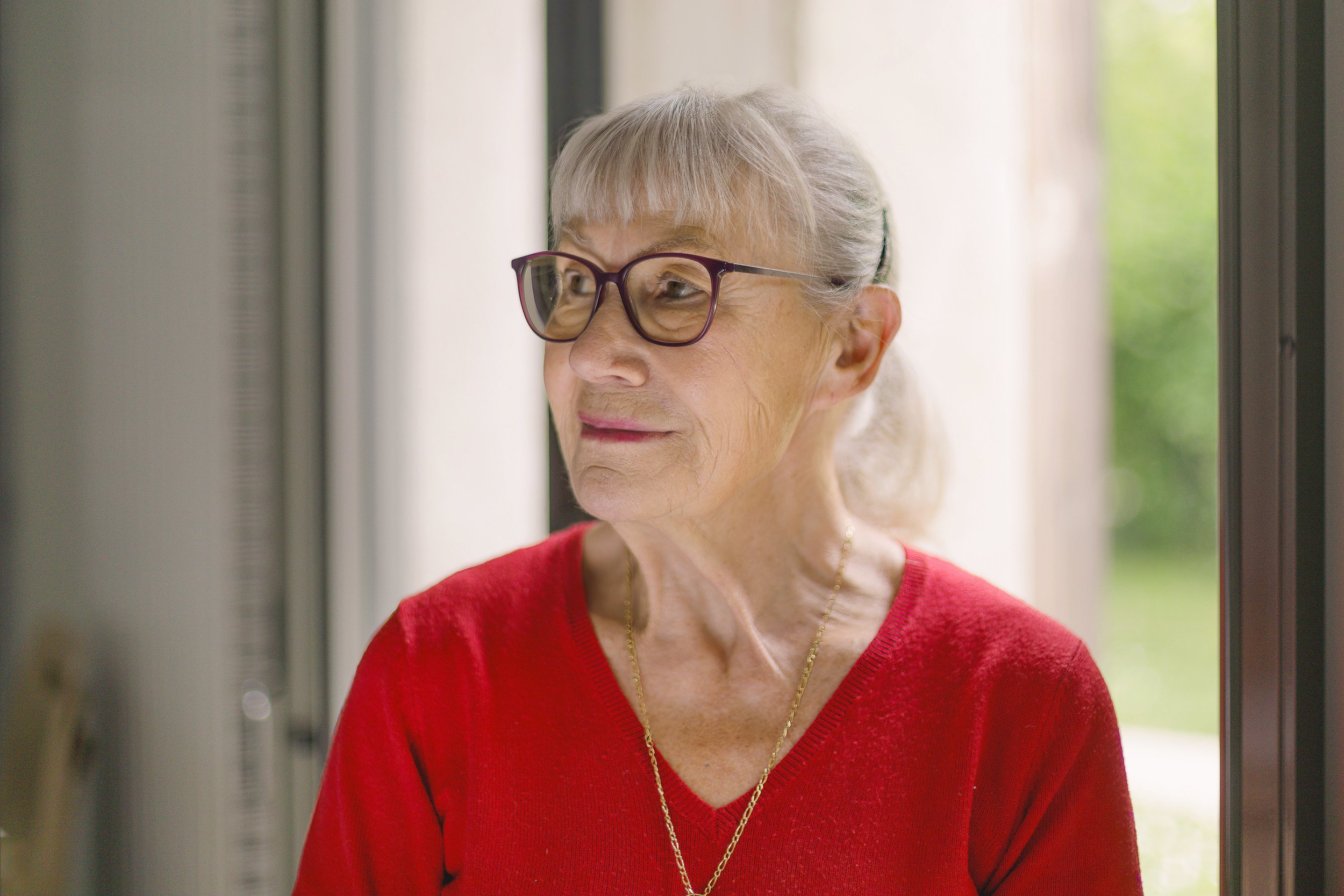
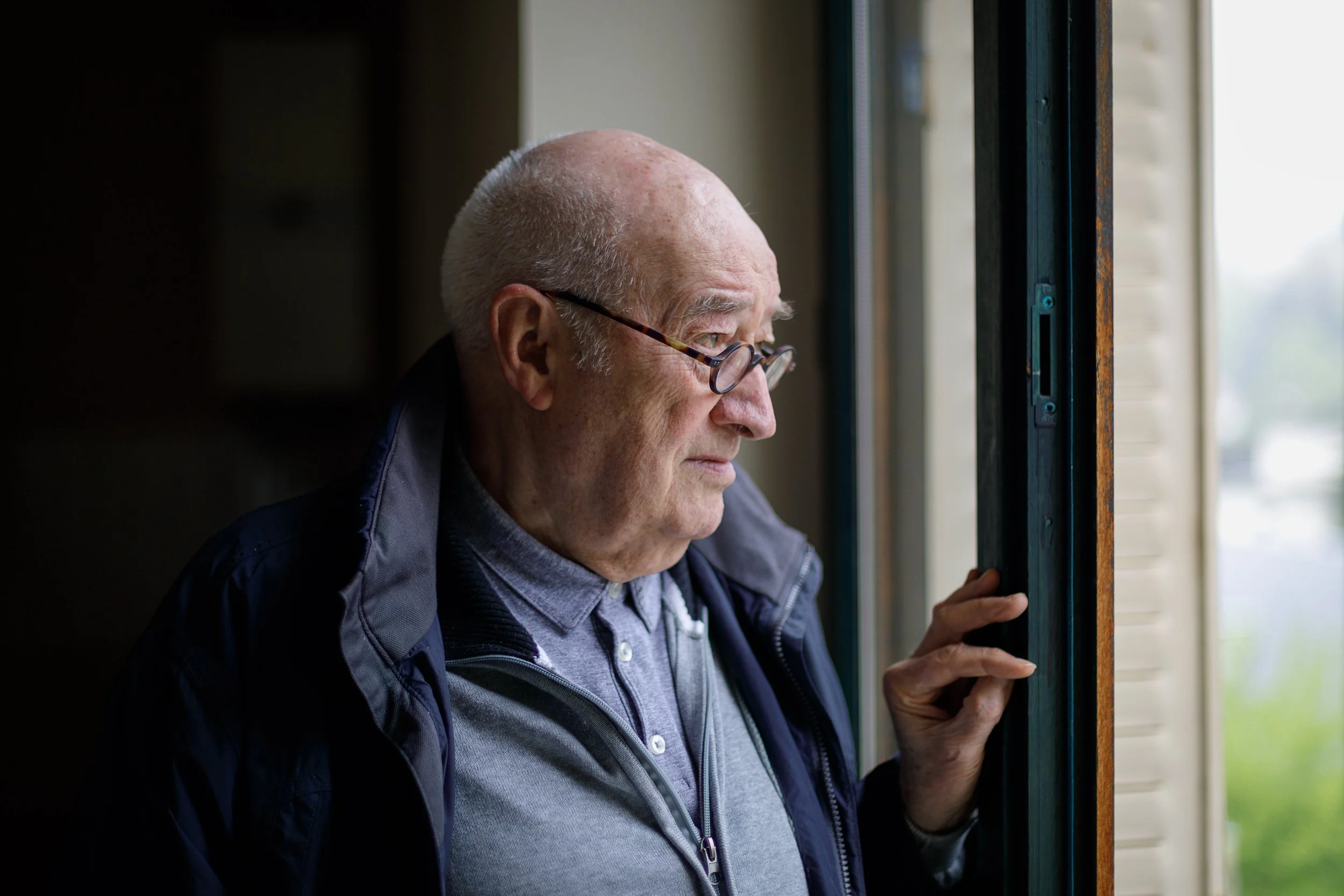
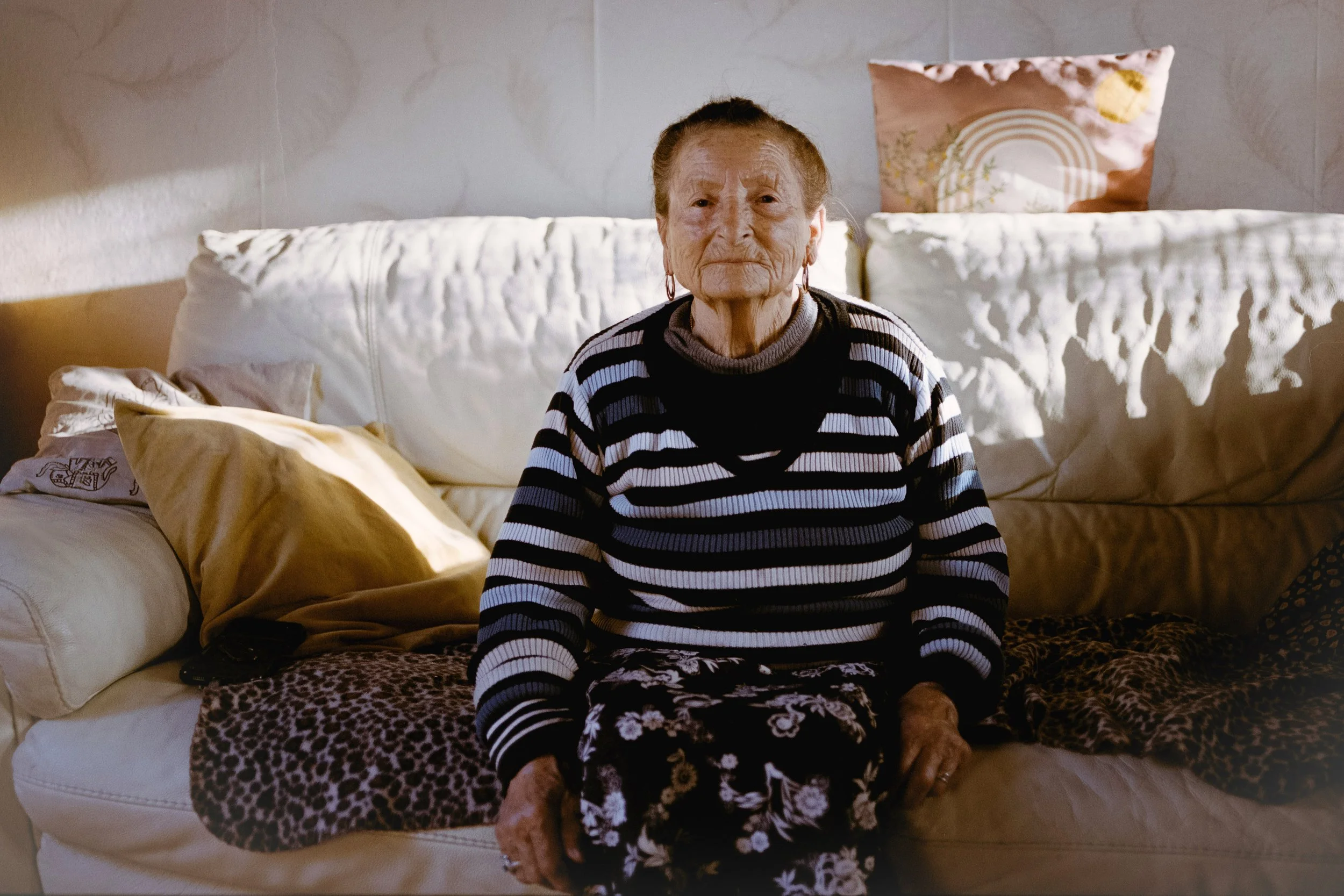
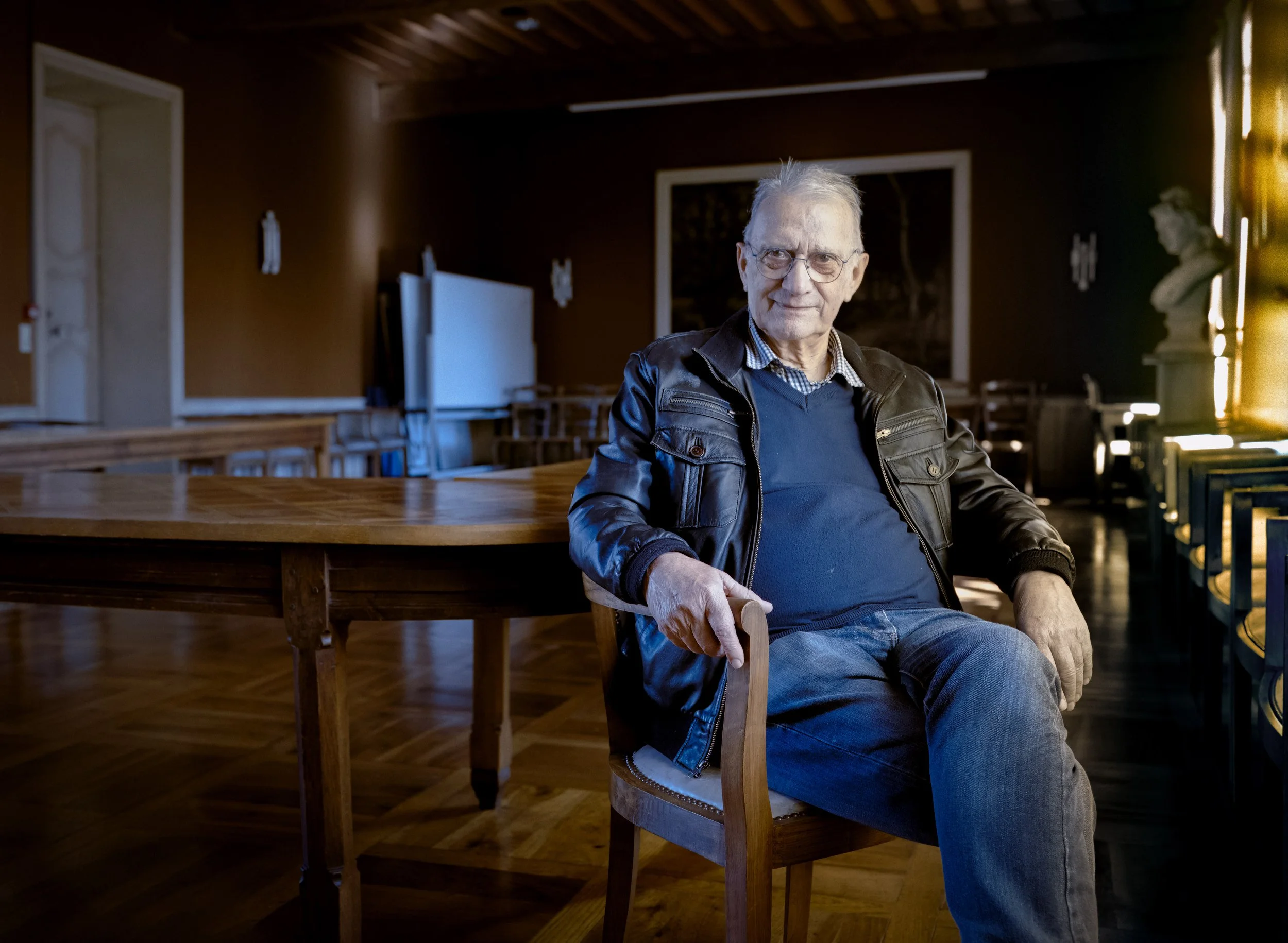
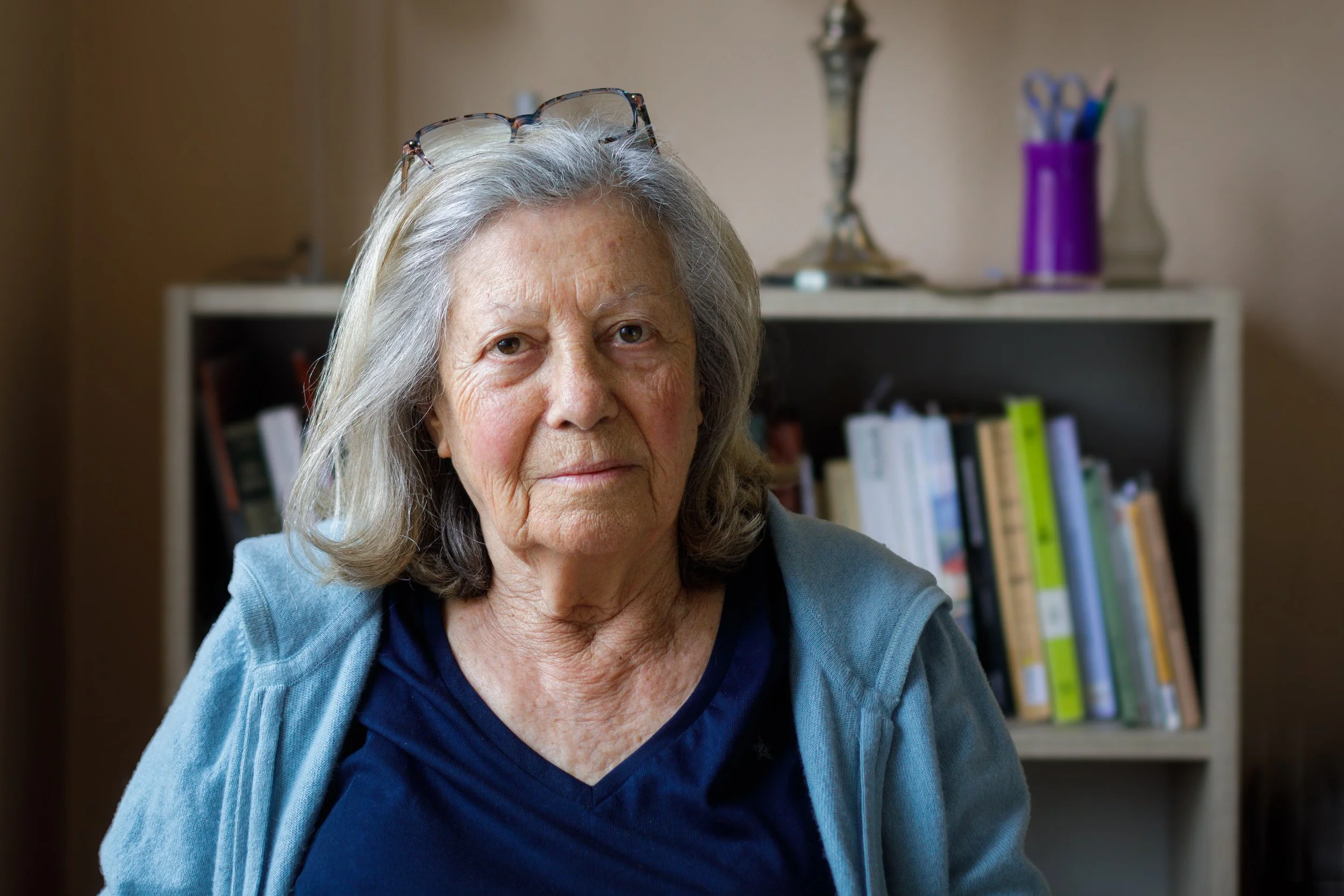
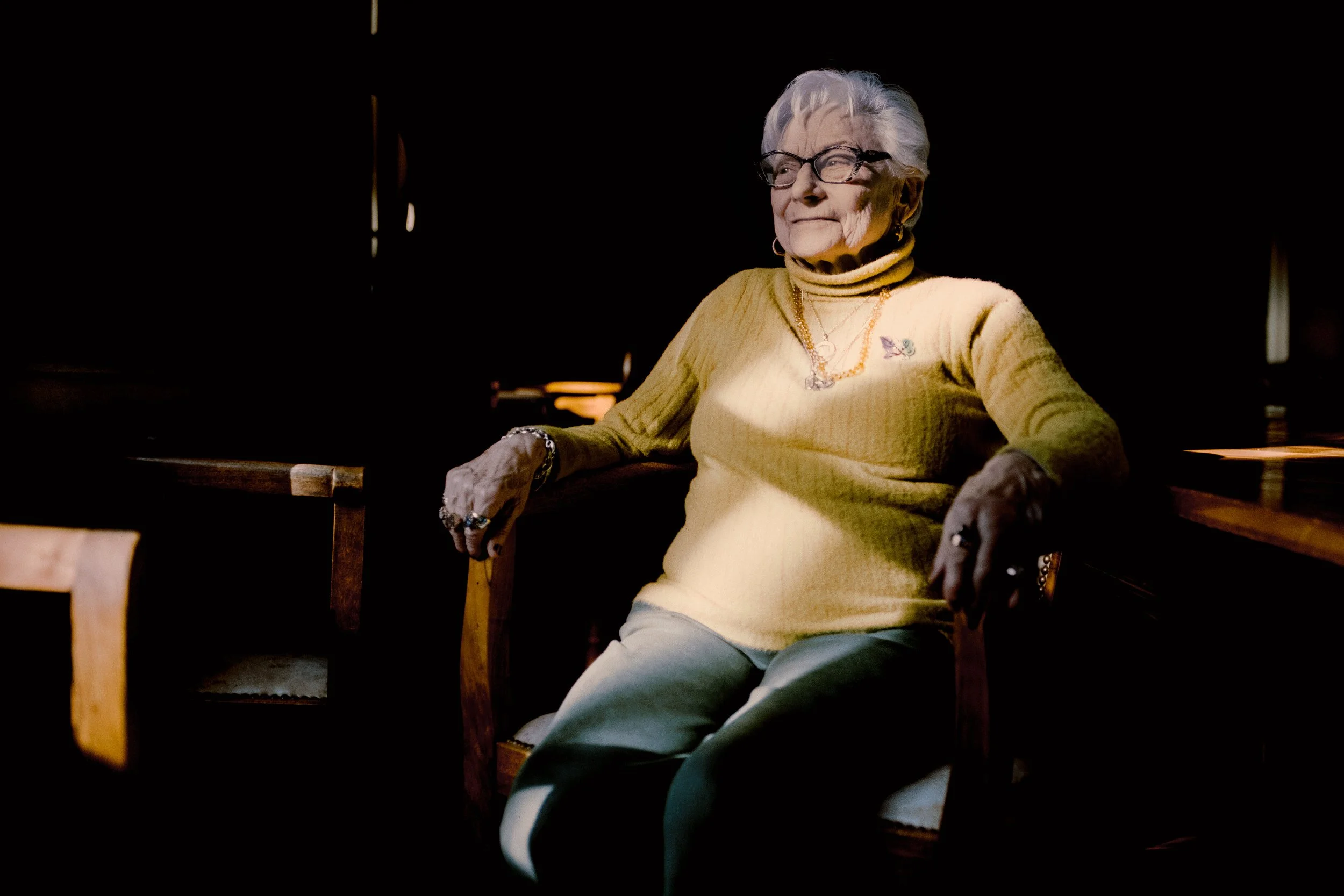
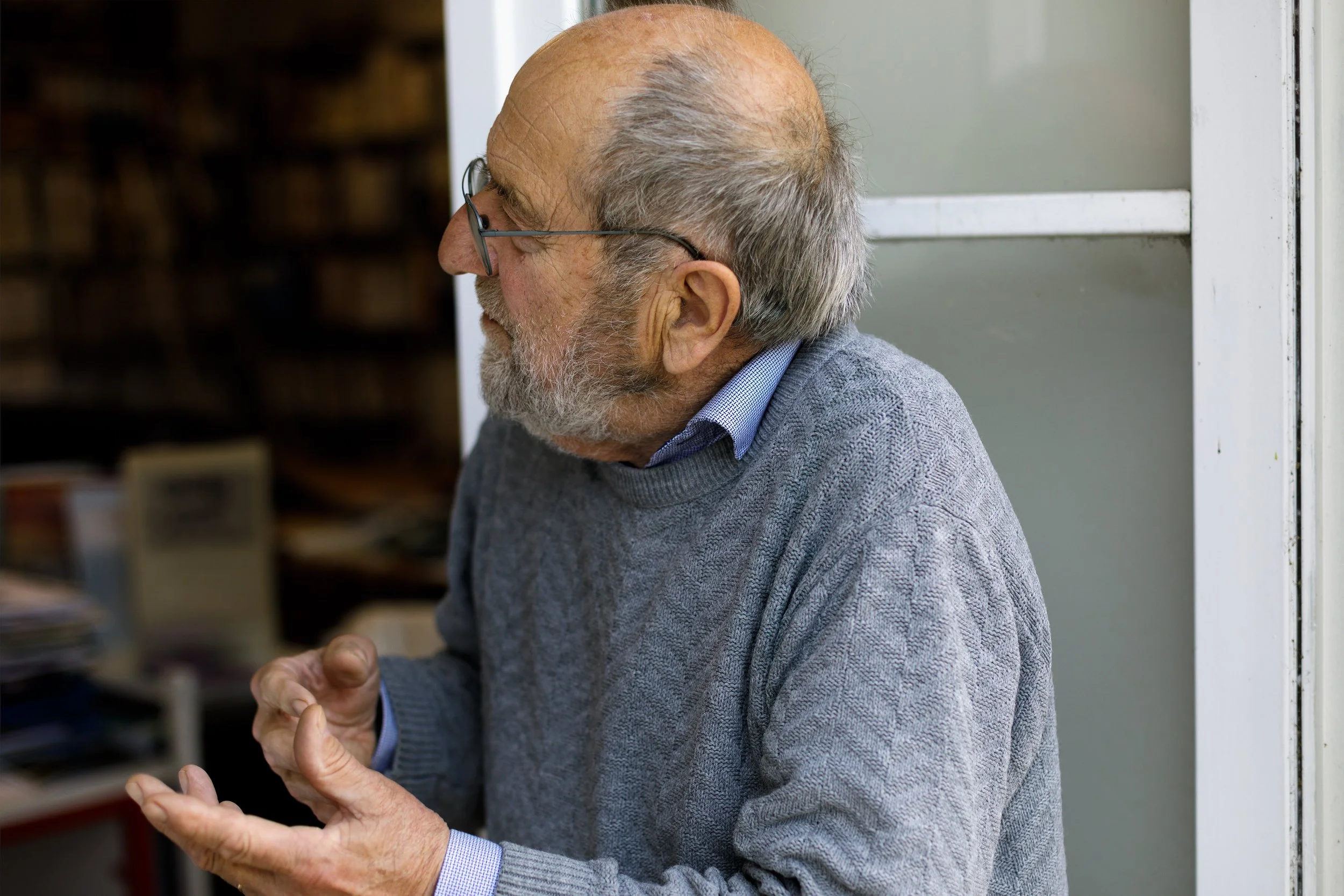

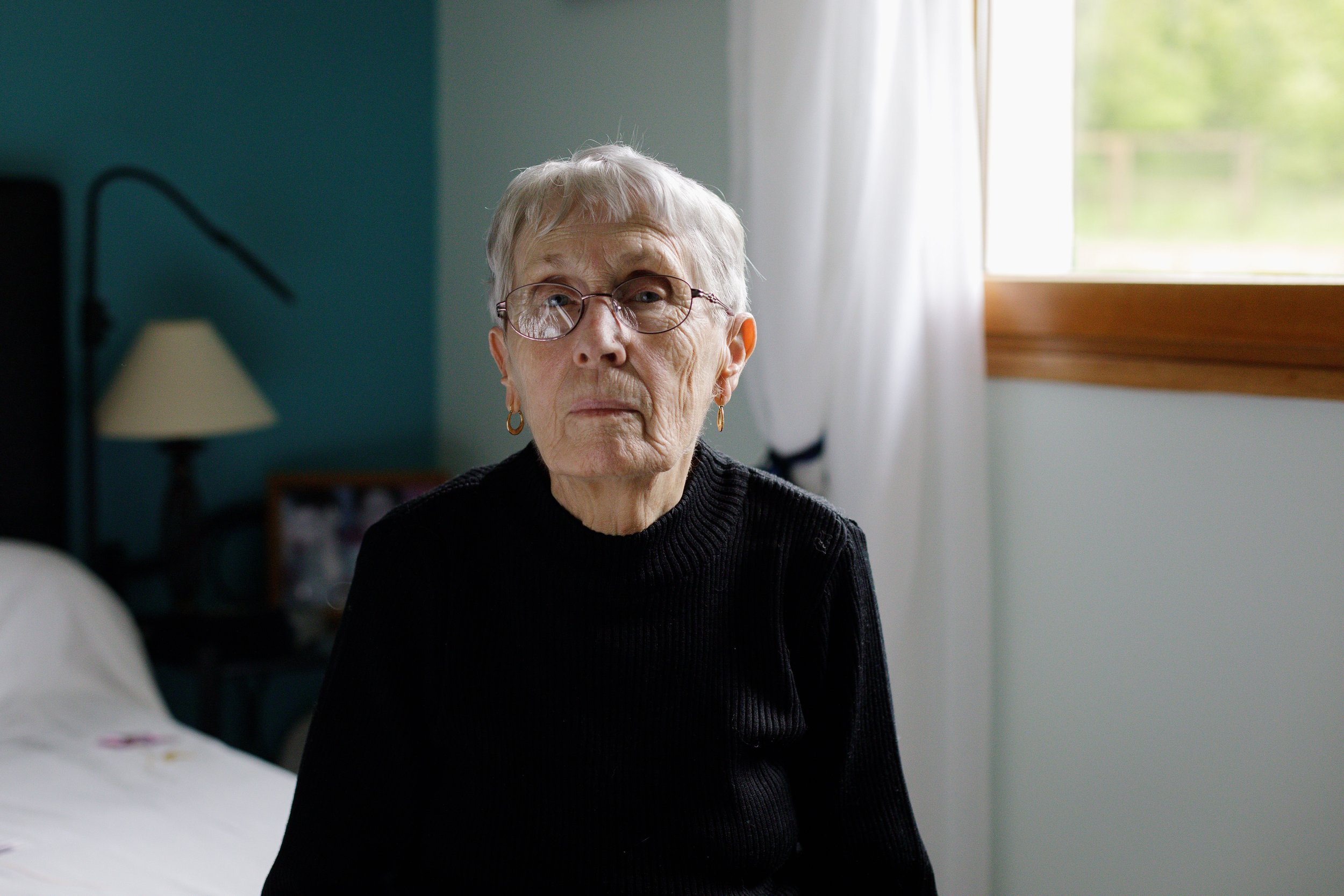
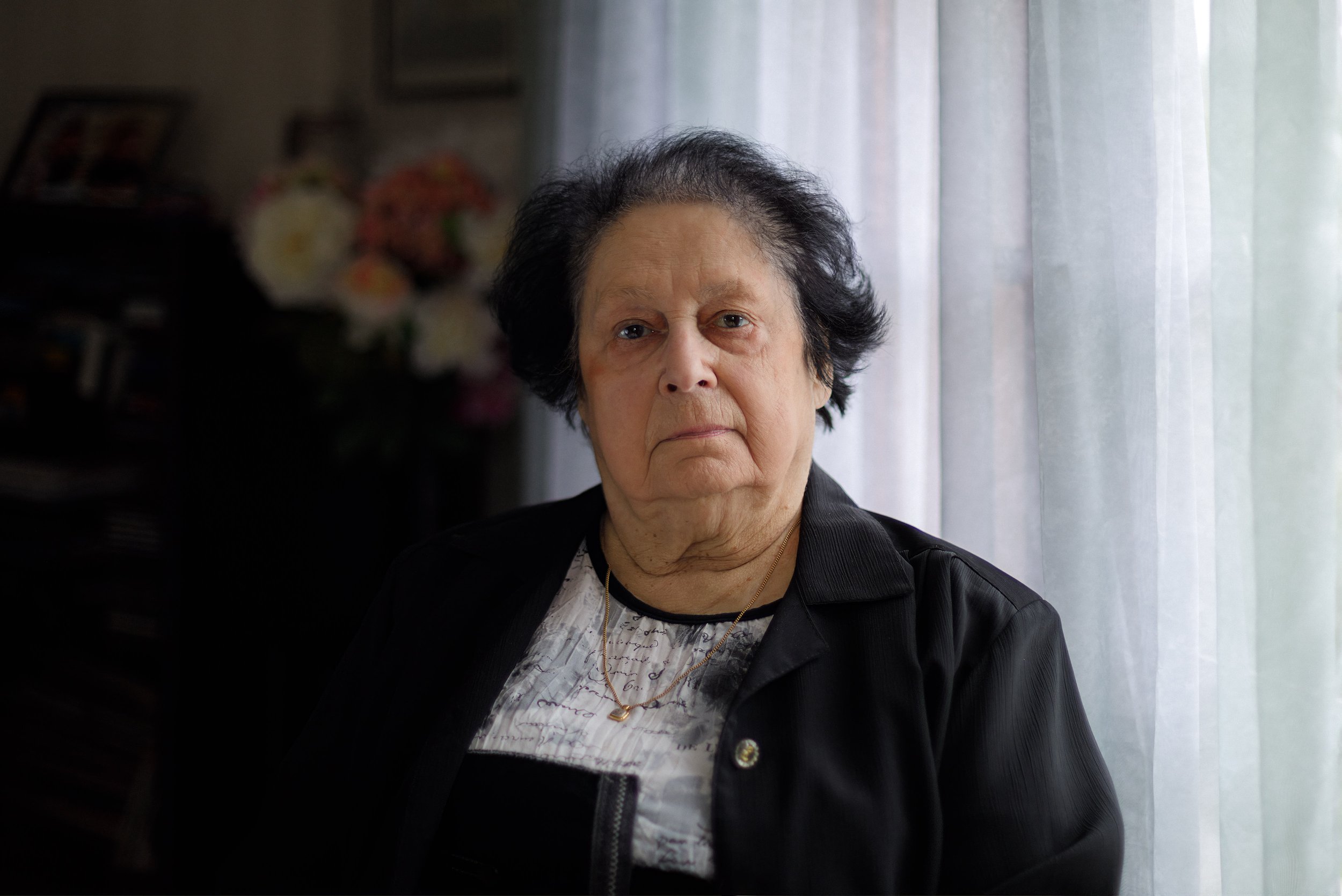
During 2024 and 2025, sixteen courageous individuals shared their stories. Often, these were painful and for many, brought back uncomfortable memories.
For some, this was the continuation of a journey towards a shared remembrance and the need to educate the current generation. For others, this was the first time these memories and emotions had been shared so publicly.
Many towns and villages across France were subjected to a reign of terror which was inflicted by the Waffen SS, only a few have been able to be shared here.
All of the stories were facilitated by a psychotherapist trained in trauma and were recorded and transcribed in both French and later translated into English.
Fifteen Courageous Individuals Share Their Stories
In almost every case, a need to share and learn from the tragedy was expressed. Some of the individuals actively educate within their communities, providing lectures at local schools, writing articles and sharing their stories within local martyr committees where present.
Many have expressed the complex emotions that surround these tragedies. Enforced silences and feelings of shame and guilt often accompany the pain of loss.
It is hoped that this project will go some way to helping bring together these disparate stories of tragedy.
Our work continues, with new stories and personal witness accounts of the events of 1944, living under Nazi occupation, being added to our archive in 2026.
TULLE
Balconies filled with flowers. Streets where children played. Shops opened as usual.
By nightfall on 9th June 1944, 99 men were dead, hanging in public view.
Their deaths were not the result of a battle. They were a deliberate act of terror.
Committed by the SS Das Reich to break a town and serve as a warning.
TULLE A TOWN CAUGHT IN THE BRUTAL BATTLE FOR LIBERATION OF EUROPE
In June 1944, France was holding its breath. The Allied landings in Normandy had begun. Across France, hope stirred, but so also did fear.
Tulle had been temporarily liberated by the resistance. Unfortunately, it also lay on the route of the Waffen-SS moving north towards the Normandy beaches. Resistance activity had secured a fleetingly short liberation but, at the cost of ordinary people being drawn into extraordinary danger. The town of Tulle was marked for a brutal reprisal.
On the morning of 9 June 1944, soldiers of the Waffen-SS Das Reich division entered Tulle.
Men were dragged from their homes, their workplaces, the street. Names were called. Others were taken simply because they were there.
By afternoon, hundreds of men were detained in Souhillac Square outside the arms factory. 120 were initially selected, finally 99 were hanged from lampposts, trees, and balconies across the town, with others forced to watch in horror.
Families had to walk past fathers, sons, husbands. Silence was enforced at gunpoint. The message was unmistakable: this is the cost of resistance.
Tulle was not destroyed because of what it had done, but because of what its suffering could demonstrate. Das Reich had learned these techniques in Eastern Europe and was using terror to instil obedience in the populations of towns and villages across South West France.
The following day, the division would carry out another atrocity: Oradour-sur-Glane. Tulle was part of a continuum of violence, intended to echo far beyond its streets. After the bodies were cut down and left in the local dump, life resumed, and silent grief became synonymous with life in Tulle.
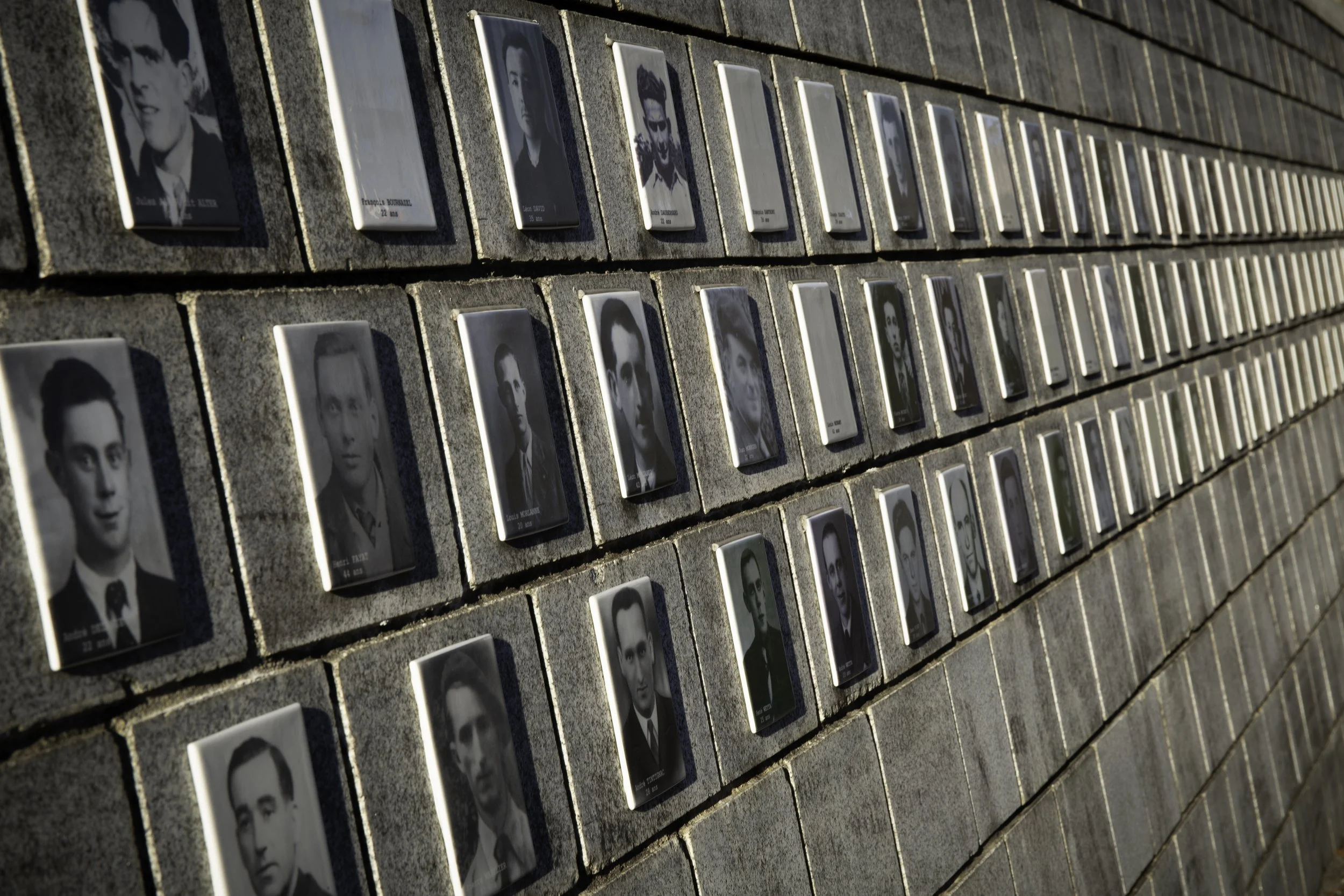
Widows raised children alone. Families learned not to speak. Grief settled into walls and pavements. Even today, the absence is visible: Names carved into stone, Photographs on memorials that remind us of the scale of the loss. To remember Tulle is to acknowledge not only how men died. But how the living endured.
Today, that silence is being broken. Education, conferences, interviews and films are helping to heal the wounds and teach us the lessons from a world war driven by hatred and fanaticism. Tulle is working hard as a beacon for hope and peace.
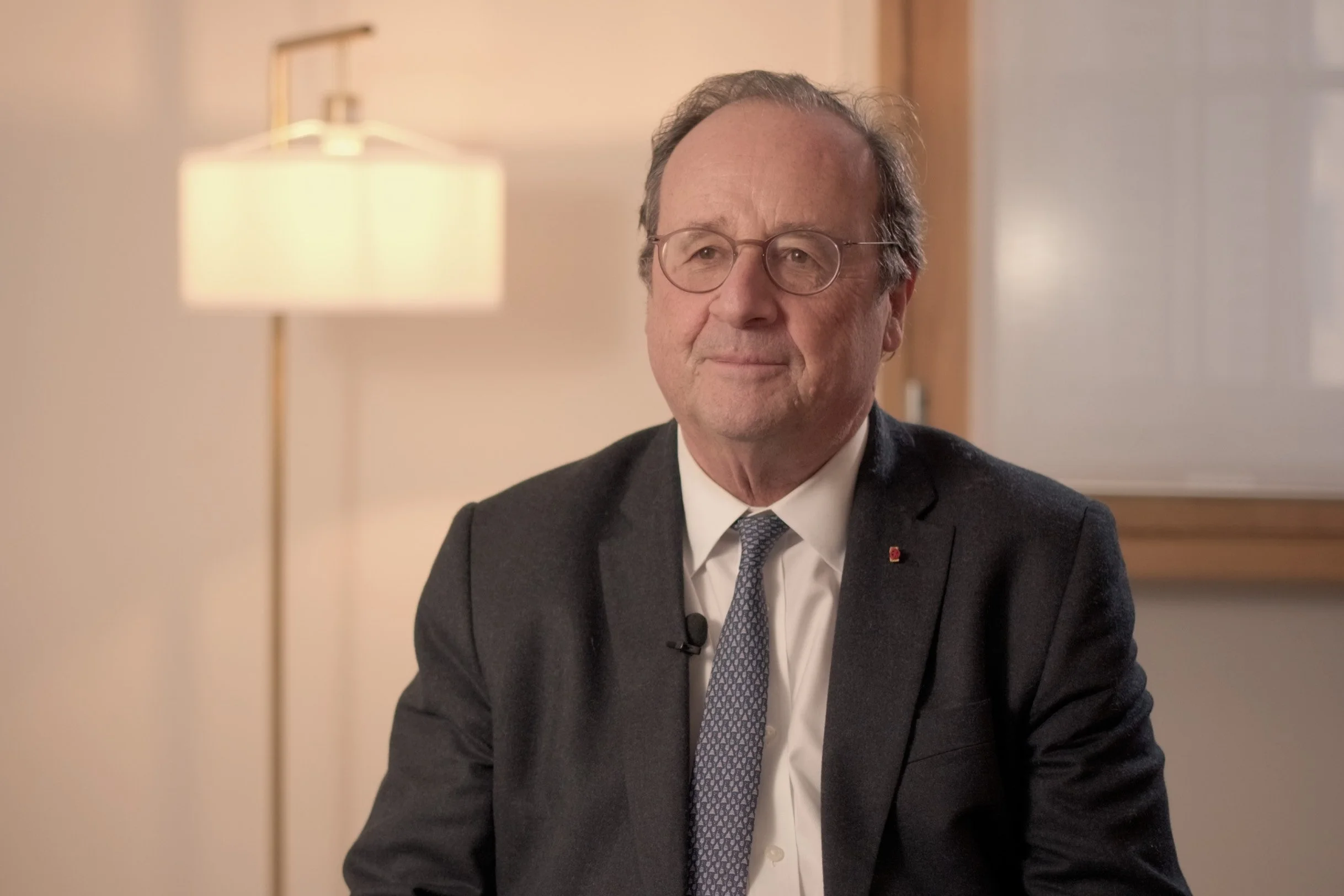
François Hollande
Former President, French Republic. Deputy for Corrèze.
François Hollande has a deep and long-standing personal history with the
town of Tulle. As a former president of France and representative for Corrèze,
his perspective on the tragedy is both rooted in local personal connection but
also shaped by a life committed to national government.
Watch Film

FR

Subtitles
Bernard Combes
Mayor of Tulle (2008 - 2026)
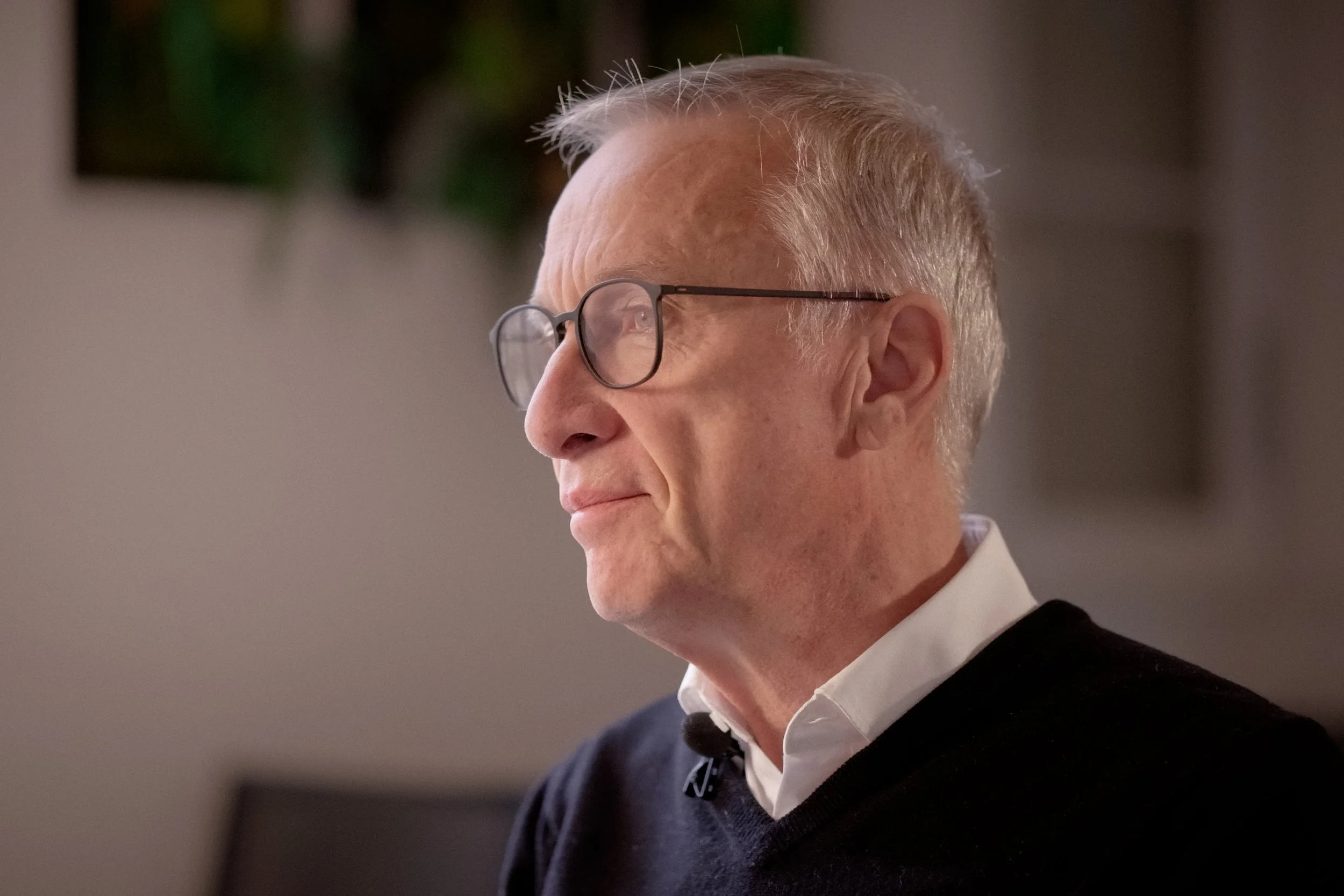
Bernard Combes was not born in 1944. He did not witness the hangings.Yet, as mayor, he speaks for a town shaped by that day. His role is not to replace testimony, but to protect it and ensure that what happened here is neither softened nor forgotten.
Watch Film
FR
Subtitles
Nicolas Giner
Head of Archives & Cultural Development
Born locally, Nicolas Giner has a strong personal connection to the events of 9th June 1944. His education in history fosters a powerful connection to the past and a strong passion for the Town’s history and its people. He has been instrumental in building a powerful documentary legacy for Tulle. He is committed to faithfully preserving archives from its traumatic past and to driving an enthusiastic educational program.
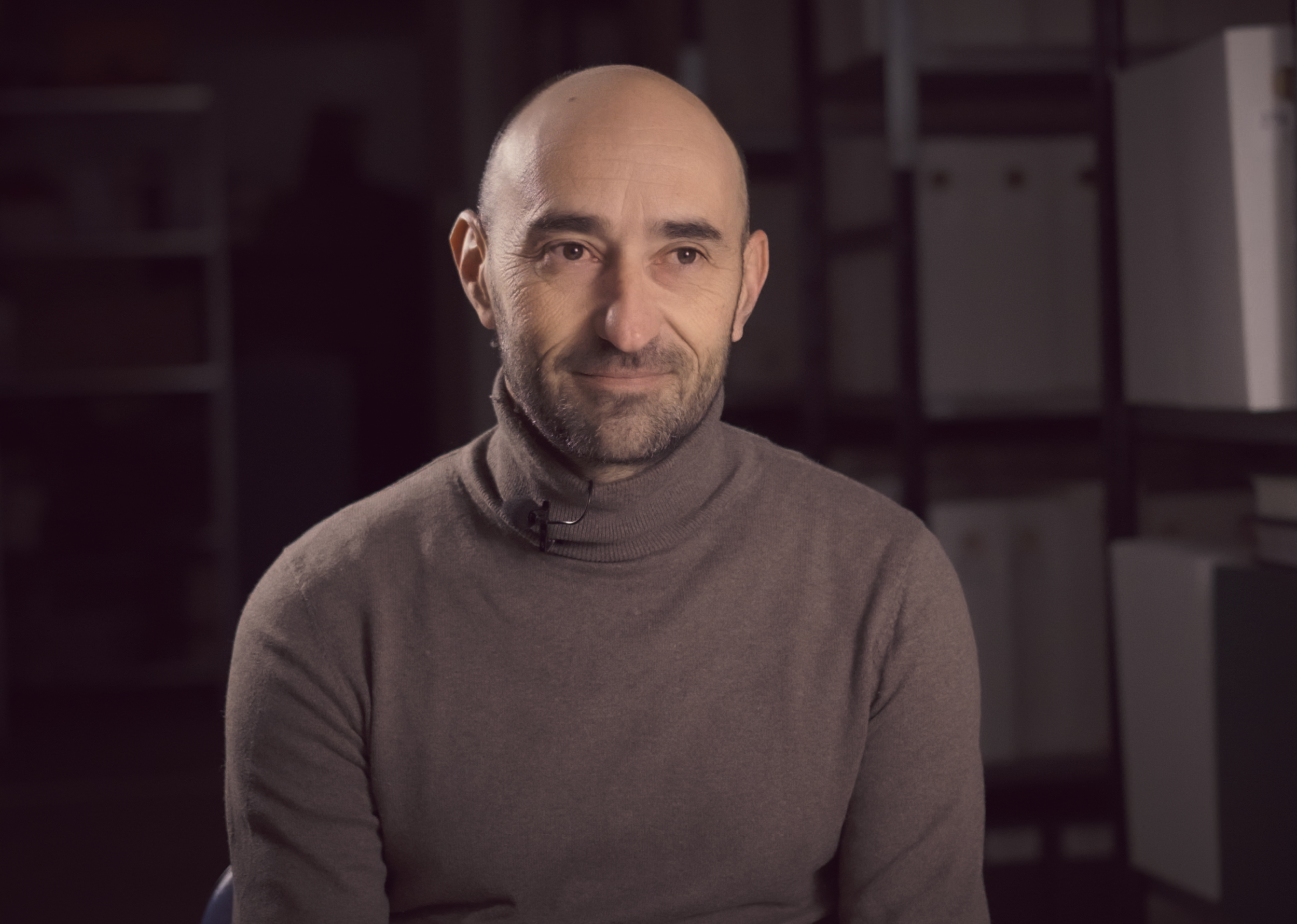
Watch Film
FR
Subtitles