J E A N - C L A U D E L A C O M B E
Watch Jean-Claude’s Film
FR


EN
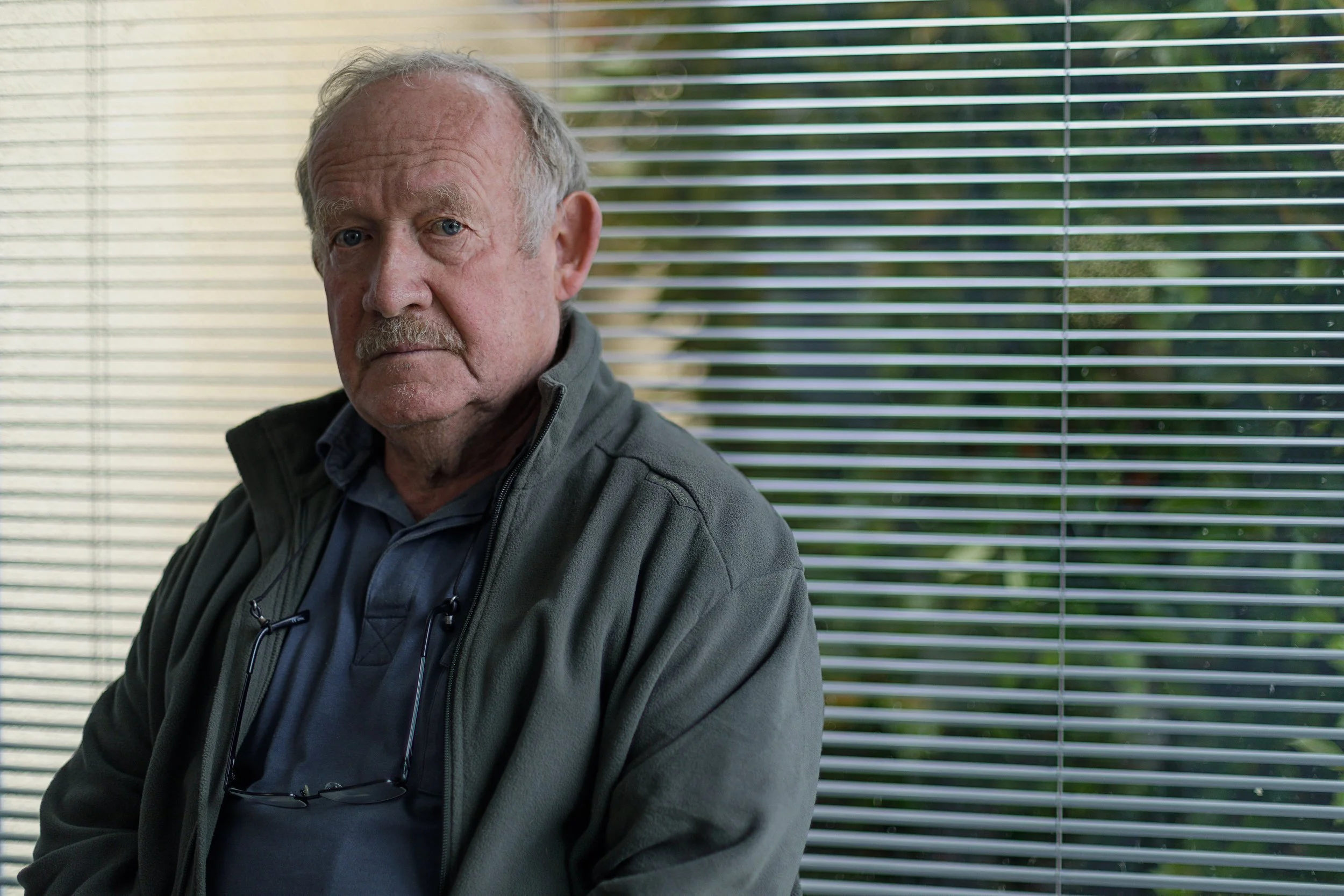
I was young when I first became aware that something terrible had happened in Cayla, though no one ever spoke of it aloud. The silence was heavy, passed from one generation to the next. Only later did I learn what truly occurred on that terrible day.
It began a few kilometres away, when the maquis attacked a German convoy on the N122. From Cayla, villagers watched from afar, unaware that this simple act of curiosity would lead to their massacre. When German reinforcements arrived from Figeac, enraged by the death of their colonel and several soldiers, they came to Cayla looking for reprisal and vengeance. They destroyed everything in their path.
Some people managed to flee. Neighbours called for help, and the teacher and the priest came to tend to the wounded and prepare the dead. But the Germans returned half an hour later. Panic spread. Everyone ran—everyone except the priest, slowed by age. He was shot as he tried to escape. Today, a stele marks the place where he fell, bearing his name and those of the others who died.
Every house in Cayla was burned. In three of them, bodies were left inside, reduced to ashes. Seven villagers and the priest were killed. Marie Lacombe survived only by pretending to be dead. She lost her husband, was badly injured, and saw her neighbours burned in their homes. She never spoke of it again.
For years, there were no words, only ruins. Rebuilding took decades. Only recently, through discovered documents and commemorations, has the truth emerged. Now we lay wreaths, teach our children, and speak the names aloud so Cayla is never forgotten.